Commander
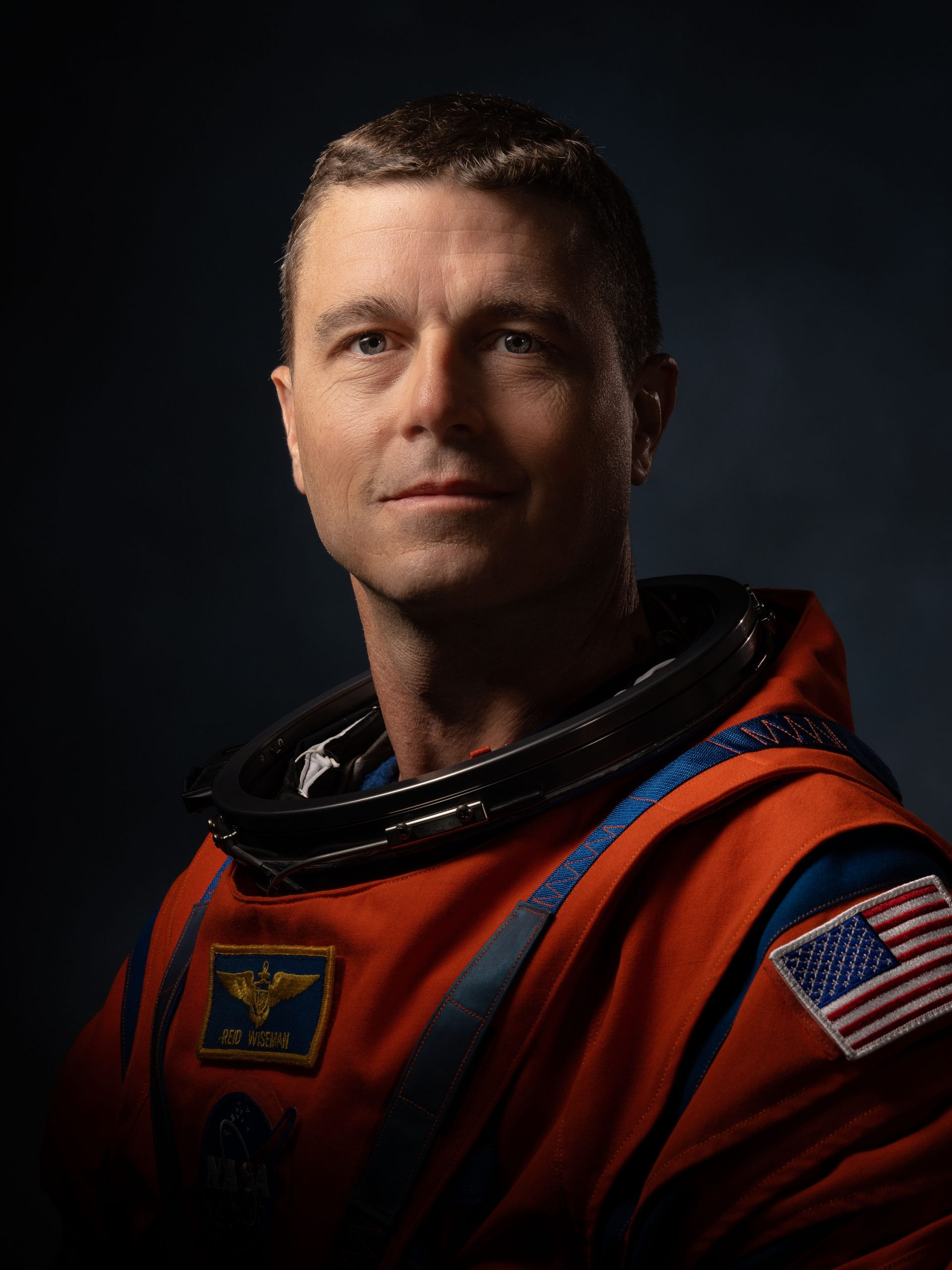
Reid Wiseman
Mission commander and veteran NASA astronaut leading the first crewed Artemis flight.
A historical review of Artemis II, from launch through lunar flyby to a successful Pacific splashdown. Explore the mission overview, NASA video replays and the full dated mission timeline.
Watch NASA mission replays, or explore the dated timeline for the launch-to-splashdown sequence.
Artemis II became NASA's first crewed mission beyond low Earth orbit since Apollo 17 in 1972. The four-person Orion mission followed a free-return trajectory around the Moon, validating the spacecraft, the Space Launch System, and the operational backbone needed for sustained lunar exploration.
The mission was never just about distance. It tested crewed deep-space navigation, life support, communication links, flight operations, and the human experience of working beyond Earth's protective magnetosphere. Those lessons now feed directly into Artemis III.
Historic result: Artemis II safely carried humans farther from Earth than ever before, then returned its crew to a successful Pacific splashdown.
The mission story is easier to scan here than in a long block of copy, so the big beats stay readable at a glance.
Orion lifted off from Kennedy Space Center and completed the first crewed SLS ascent before checkout in low Earth orbit.
The crew moved into deep-space operations, tested systems, and prepared for the lunar flyby on a free-return path.
Artemis II passed the Apollo 13 mark and locked in a new human-distance record of 252,756 miles from Earth.
After lunar flyby, re-entry, and recovery operations, the crew completed a successful Pacific splashdown.
Mission commander and veteran NASA astronaut leading the first crewed Artemis flight.
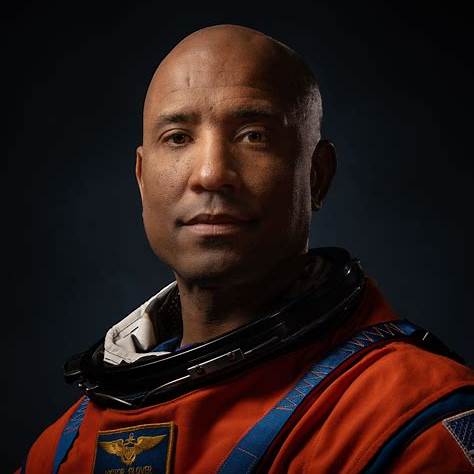
Pilot of Artemis II and the first person of color to travel this far into deep space.
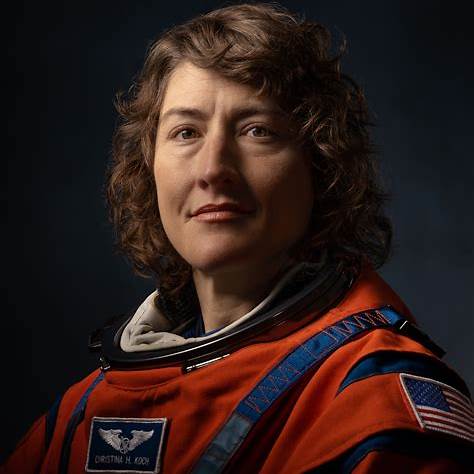
Mission specialist and the first woman to travel beyond low Earth orbit to lunar-distance space.
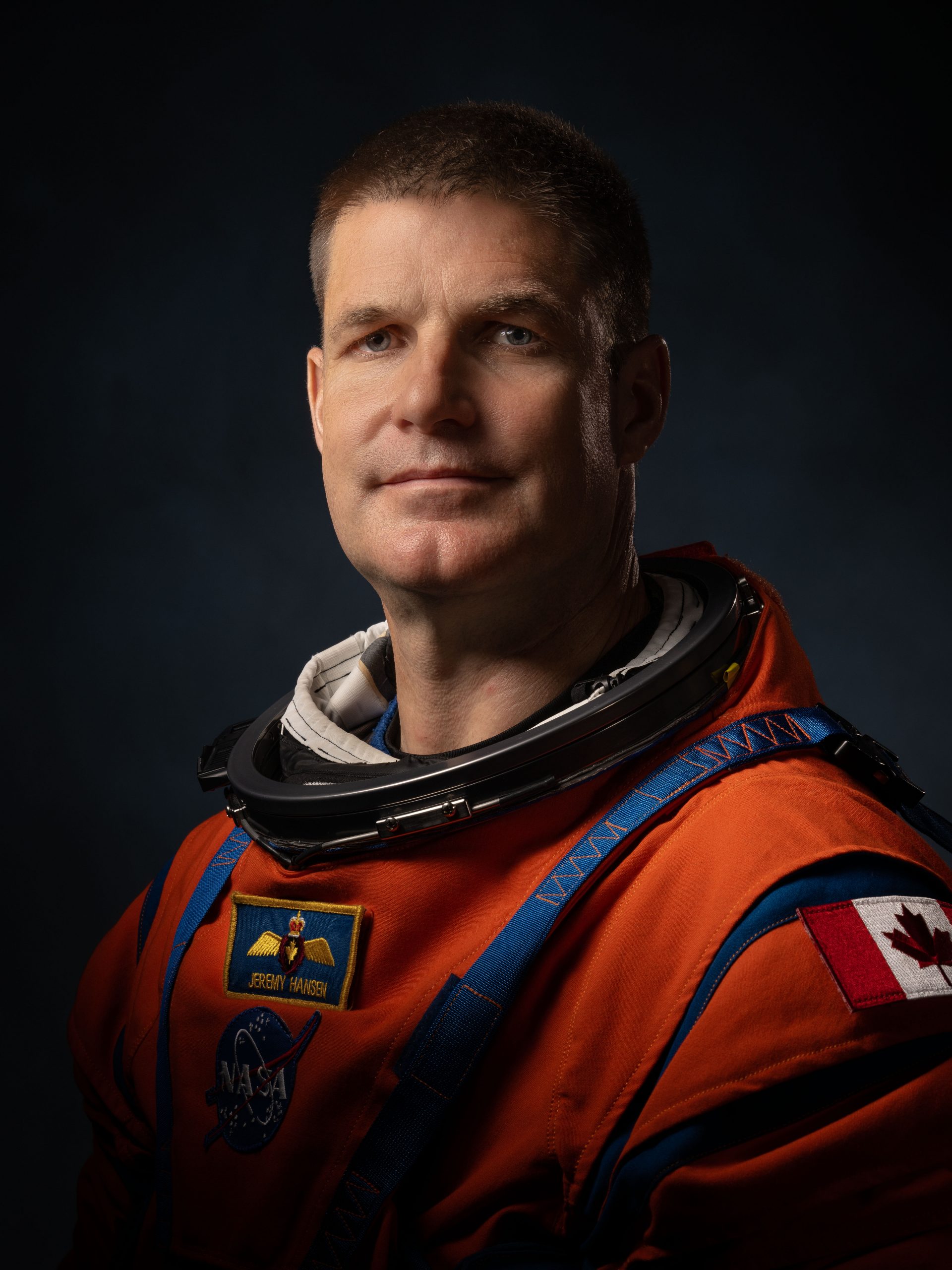
CSA astronaut and the first Canadian to fly into deep space.
Artemis II was the first crewed mission to travel beyond low Earth orbit since Apollo 17, proving that Orion, the European Service Module, ground systems, mission control, and recovery operations could support astronauts on a deep-space mission again.
It also carried important firsts for the Artemis era: the first woman to travel to lunar-distance space, the first Canadian to fly into deep space, and a new human-distance record from Earth. Artemis II showed that the program is not just theoretical planning anymore; it is a working crewed exploration campaign.
What it unlocked: Artemis II informs the planned 2027 Artemis III demonstration in low Earth orbit with Orion and both commercial lander test vehicles. Artemis IV is targeted for the first Artemis crewed lunar landing in early 2028. These remain planning targets. NASA Artemis III plan · NASA Artemis IV.